Ink architecture
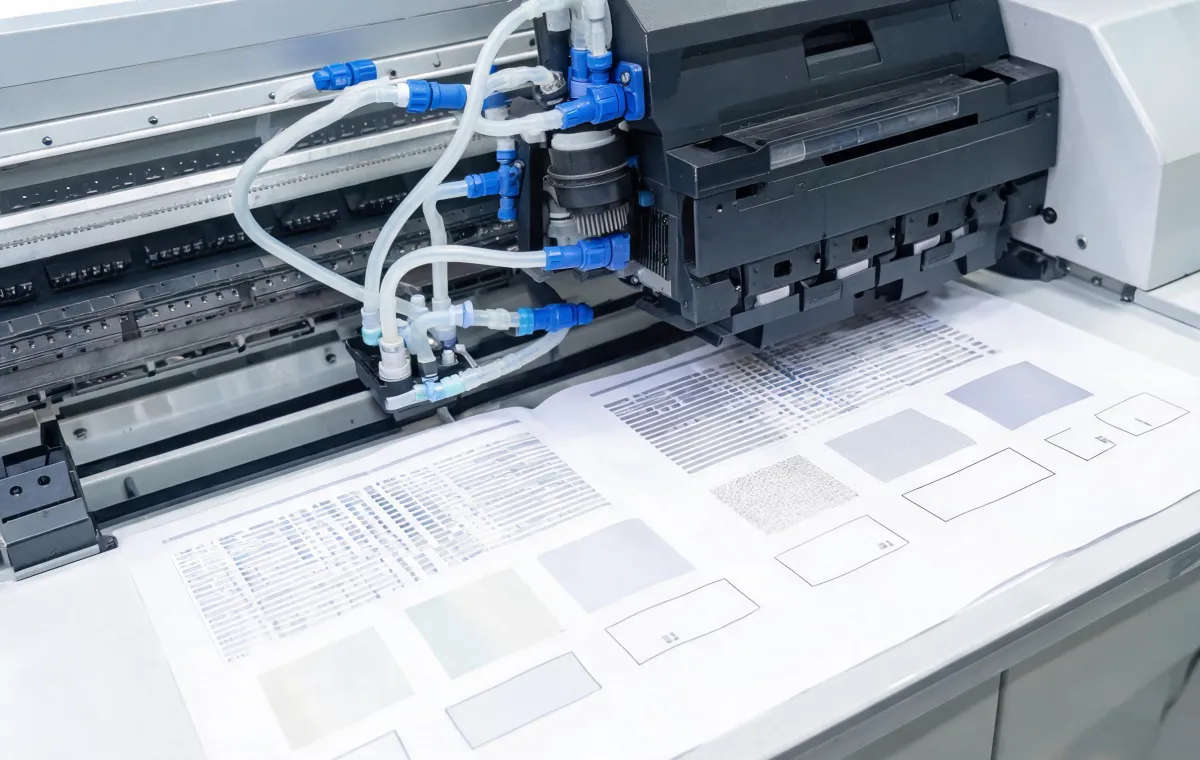
Map CMYK, white, clear and specialty channels to opacity, texture, adhesion and maintenance requirements.

Connect DTF, UV, sublimation and eco-solvent production choices to the substrate, surface energy, white-ink demand, finishing step and duty cycle that actually govern output.
A practical specification begins with process constraints, not a brochure speed measured under unrelated conditions.
Map CMYK, white, clear and specialty channels to opacity, texture, adhesion and maintenance requirements.
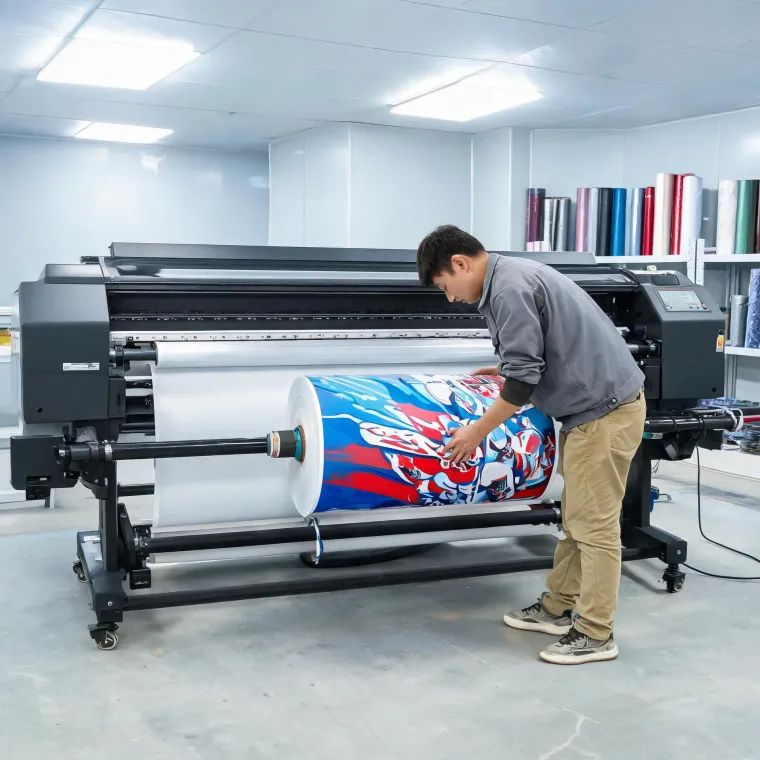
Check roll tension, platen support and vacuum behavior against stretch, curl, thickness and surface variation.
Balance UV-LED dose, heater settings or transfer temperature with line speed and material sensitivity.
Validate cutting, powdering, pressing, laminating or forming on the same sample used for print evaluation.
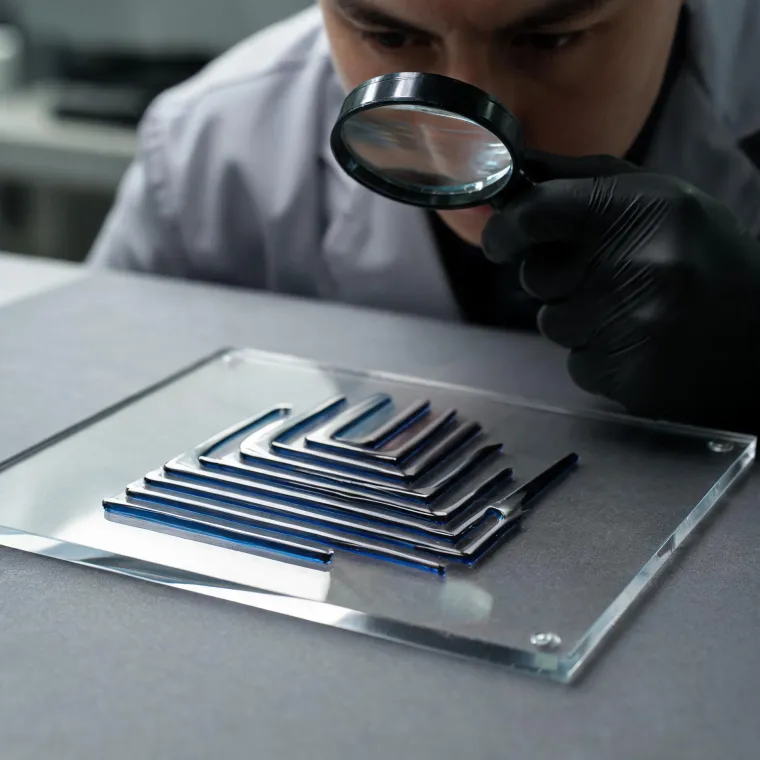
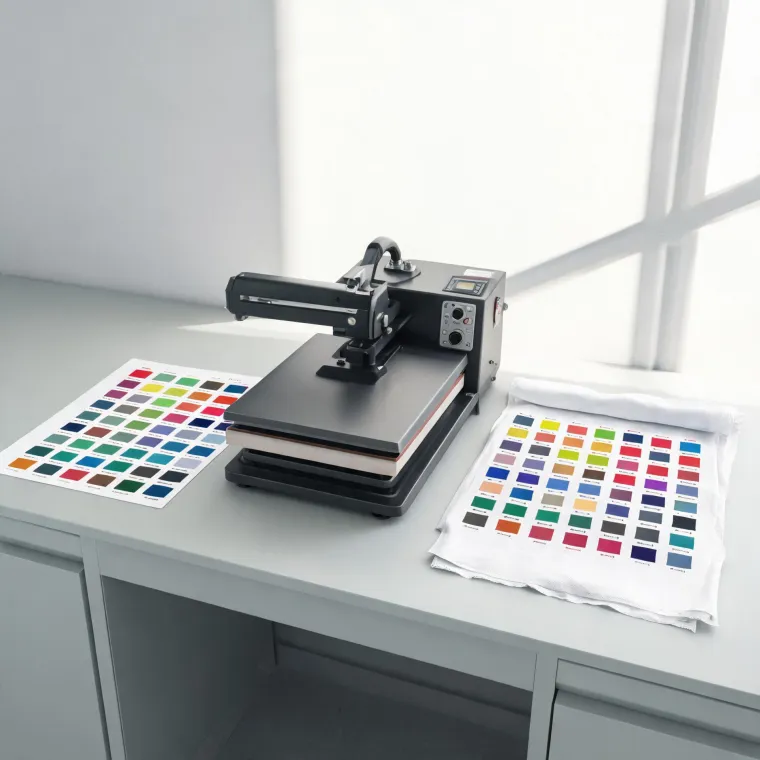
Each frame isolates a production variable that should be recorded during a trial.
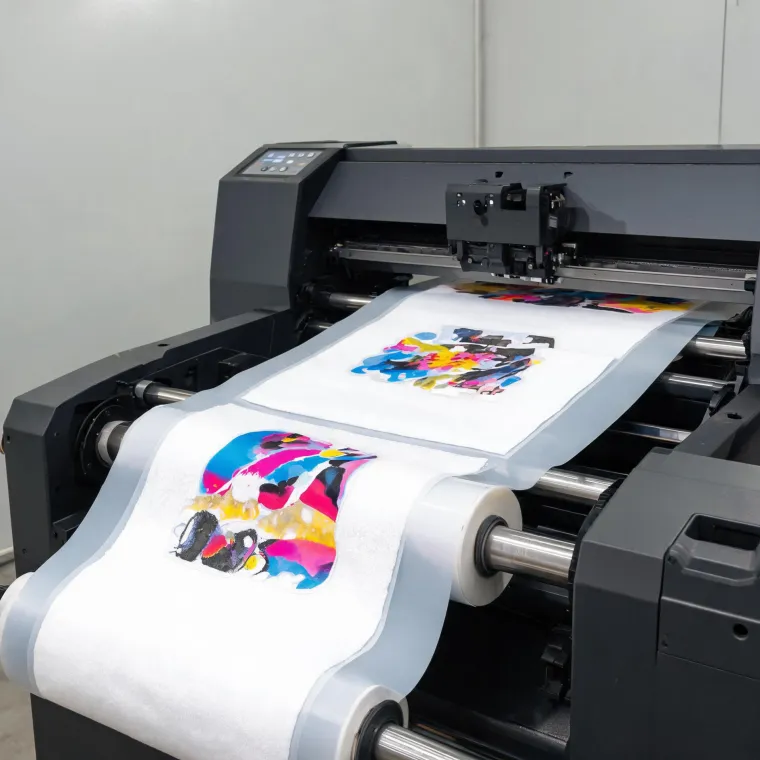
White underbase, powder interaction, press settings and wash behavior.
Adhesion, surface preparation, edge definition and UV cure dose.
Color profile, transfer temperature, dimensional change and hand feel.
Gamut, contour alignment, outgassing and lamination timing.
Variable artwork, white layers, forming tolerance and surface durability.
Fixture repeatability, ink adhesion and resistance testing by use case.
Define the image, media, ink set, finishing step and acceptance criteria before the test begins.